
Evaluation, consultation, individual psychotherapy with or without psychopharmacology.
Second opinion of ongoing treatment or initial diagnosis. Supervision of therapists who are or have been in TFP or analytic training.
Areas of special expertise:
- First of all, thorough initial consultation. Many patients come with a number of diagnoses and medications - often times these difficulties have a root cause.
- Transference Focused Psychotherapy (TFP) for personality disorders and neurosis with or without medications
- Trouble with intimacy or difficulty with being alone; feeling of emptiness or boredom - often residual symptoms of prior therapies
- Work related difficulties
- Borderline, Narcissistic and other Personality Disorders, Neurotic personalities
- Differentiation between borderline and bipolar disorders; treatment resistant depression from depression stemming from underlying psychological difficulties.
- Of note: people with personality disorders are excluded from pharmacological trials. On the one hand it is reasonable given the potential for confounding variables. On the other hand, many patients diagnosed with mood disorders who do not respond to medications have an underlying personality disorder.
- Personality Disorders from young adulthood to older adults
- Parents with children/adolescents with suspected or diagnosed personality disorder
- Psychodynamic therapy of eating disorders - at times to complement behavioral treatments - especially for underlying emotional problems
- Grief
- Aging related emotional issues
- Self-defeating and self-destructive behaviors
- Psychoanalysis
- Difficulties dealing with aging parents with whom the relationship has been strained
- Spouses/significant others of those who need treatment but refuses, causing distress in you
- "Failure to launch" - its causes and management.
- Consulting/helping adults of adolescents who are in treatment, either in Adolescent TFP or other modalities
Sexuality:
-
- Sexual inhibitions and promiscuity (usually without pleasure)
- Sexual trauma
- Bisexual Issues
- Lesbian Issues
- Gay Issues
- Transsexual Issues
Alternative Languages: Hungarian
Age:
-
- Adults, including young adults
- Older adults
Categories:
-
- Heterosexual Clients
- Gay Clients
- Lesbian Clients
- Transsexual Clients
- Bisexual Clients
- Cancer, and other medical illness related emotional problems
Treatment Orientation:
-
- Transference focused psychotherapy (TFP)
- Combined medication and therapy
- Psychoanalytic
- Psychodynamic
- Short term dynamic therapy
Modality:
-
- Individuals
- Couples on occasion, mostly as consultation
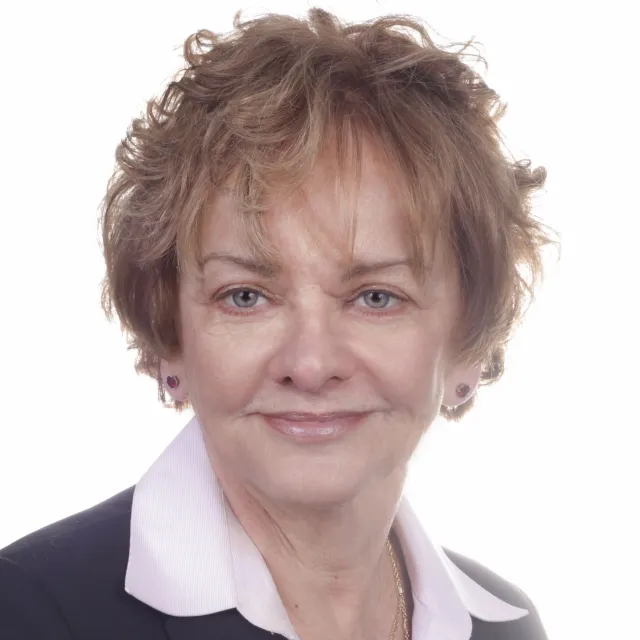 I am a board certified psychiatrist, certified trainer and supervisor in Transference Focused Psychotherapy (TFP) and training and supervising analyst at Columbia. I combine therapy and as needed medication, in my private practice. I never do "split treatment" My Hartsdale office is easily accessible from points of Westchester, Connecticut, Nyack, Northern New Jersey, and even NYC, via train. Since COVID I work in person as well as online.
I have spent many years in training (at Cornell and Columbia). I am an Assistant Clinical Professor at Columbia, currently supervising analytic candidates and teach courses for psychotherapists/psychiatrists TFP. I had the privilege for decades of teaching the new generation of medical students, psychiatry residents and psychologists at Cornell and consulted at the unit that had specialized in personality disorders for several years. I am also teaching and supervising internationally.
Many of my patients come to see me because prior therapies offered only temporary relief from prior treatments and because they prefer to see a doctor who can prescribe medicine and provide psychotherapy. While medications can be very helpful, even essential, they do not solve your problems in living or help you to lead a life worth living.
Depression and anxiety are symptoms that may have numerous underlying sources that we can uncover together. I find that this process often leads to lessened or no use of medications. On the other hand, sometimes finding the right medication or combination of medications is extremely important.
Personality disorder is a scary word, unfortunately. It carries stigma mostly stemming from providers who do not know how to treat them, as well as relationships that went poorly. Contrary to commonly held belief, personality disorders are treatable!
Over the years I became a specialist in an evidence based therapy called Transference Focused Psychotherapy (TFP). This is especially helpful for borderline and narcissistic personality disorders but for others, including neurotic patients as well. Most symptom-focused treatments still leave many of you with a lot of difficulties. You may still struggle with dissatisfaction with your relationships or loneliness. You may still feel emptiness, boredom. Many of you, especially with narcissistic problems (here is another scary word especially these days) experience inability of dealing with setbacks and often experience a profound depression which is situational. Others, especially borderline patients, may have mood swings. Therapy will help you to recognize the underlying triggers and this will lead you to manage your emotions better. I have special expertise differentiating bipolar and borderline personality disorders and treatment refractory major depression from depression as a symptom of personality disorders.
Sometimes a brief therapy suffices - or even a series of consultations. However, to undo long-standing patterns, and developing better ways of coping and living can take more time, and more intensive work. I encourage you to seek consultation to find out what kind of therapy or medication works for you. It often means that you have to invest in yourself. That in and of itself can be therapeutic, empowering.
At times the person who really should be in treatment refuses to do so. In that case treating those who are willing to get help can improve their lot in life. In other cases, getting the help you need helps your loved ones - even the children you have or will have. This is especially true of people who suffered trauma including sexual or emotional abuse or neglect, and people whose parent(s) had personality disorder.
The worst thing is to waste time that will never return.